Art Therapy Kitchener ON | Emotional Healing
If you are looking for art therapy in Kitchener, you may already feel the pressure of keeping everything moving. Work tied to tech, healthcare, education, or trades. Family responsibilities. Long stretches of winter make days feel shorter than they are. You manage what needs to be managed. And yet your nervous system may feel constantly activated or quietly shut down.
Kitchener carries both innovation and history. Growing tech corridors alongside established neighborhoods. Fast professional growth paired with deeply rooted community life. It can feel like you are expected to be adaptable at all times. Therapy needs to meet you in that reality without adding more performance or productivity.
In our work, we slow the pace enough to notice what your body has been carrying. Through creative process, you begin to build regulation that feels steady and usable in daily life. If you are ready for support that feels grounded and sustainable, continue reading to see how we might work together.
Services:
Art Therapy
Difficult experience does not always organise itself into something speakable. Art therapy and art-making meets it where it is — through the creative process, which opens a different kind of channel and can reach what words, on their own, often leave untouched.
Some of what happens in sessions is about bringing the implicit into awareness — what has been carried without being fully known becomes something that can be seen, worked with, and over time integrated. Some of it is more immediate than that: the direct experience of how engaging with different materials, in different ways, shifts emotion and physical sensation as it is happening.
In practice this might look like giving external form to something overwhelming, so it can be held at a workable distance rather than simply endured. It might look like finding in movement, texture, or colour a way of expressing or settling something that language has not been equipped to carry. Or it might be a quieter process of exploration — getting curious about who you are, what you need, and what feels like it is wanting to change. Sessions take place virtually, from your own space, with simple materials, and move gradually through curiosity at a pace that meets you where you are.
Art Therapy for Chronic Illness and Pain Management
When the body becomes unpredictable, everything else has to reorganise around it. Plans shift. Energy that seemed available disappears. Pain arrives on its own schedule. The effort of simply managing day to day can leave very little left over — and traditional therapy, which often requires sustained focus and verbal processing, can add to that load rather than reduce it. This is frequently where our work begins: not with what you used to be able to do, but with what is actually here today.
In art therapy for chronic illness, creativity offers a low demand pathway rather than another performance. Materials become a way to contain emotion, sit with loss, and work through the identity disruptions that chronic illness brings — without needing to explain yourself or produce anything in particular. The work explores what helps your system feel a little steadier. What creates breathing room. What allows grief to exist alongside daily life without consuming it. There is something in the act of making — the absorption it creates, the sensory quality of it, the way it focuses attention quietly — that can ease the body both during and after. Research reflects this, pointing to measurable reductions in pain perception, fatigue, and physical stress.
Art Therapy for Children
When a child cannot find words for what they are experiencing, it tends to come out in other ways. You might notice emotional reactions that seem larger than the situation, a withdrawal from things they usually enjoy, sensitivity that is difficult to soothe, or shifts in behaviour that do not have an obvious explanation. Children live in their bodies before they live in language, and stress follows that same order. When words are not yet available, something else has to carry the weight.
Art therapy for children and adolescents offers the creative process as that carrier. Through art-making and play-informed work, children develop the capacity to regulate emotion, express what feels too large for words, and build resilience in a way that feels natural rather than effortful. The focus is not only on what a child produces but on what the process of producing it does, how it supports the nervous system, creates a pathway back to steadiness, and becomes something a child can return to on their own. Creating also opens up space for self-discovery, for exploring feelings, preferences, and a sense of what they are capable of. That exploration builds pride, self-esteem, and confidence in ways that extend beyond the session.
Complex PTSD
There are responses that arrive before you have had any say in them. A sense of danger in a room that is actually safe. Anger that surprises you with its intensity. A disconnection that settles in when you were expecting to feel present. A habit of abandoning your own needs before anyone has even asked. Living with Complex PTSD often means living with reactions that feel automatic, disproportionate, and difficult to understand from the inside.
Our work together begins with trust and safety as its foundation, built carefully and at a pace that is genuinely yours. Through the creative process, we approach what is difficult without requiring it to be explained or narrated before you are ready for that. Materials allow you to engage with experience at a distance, with pacing and choice built into the work from the start. We explore what helps you feel more settled in the present moment.
Chronic Illness and Disability Therapy
Living inside chronic illness or disability means living with something that shapes far more than the body. It shapes how you relate to yourself, how you move through the world, and how you hold your own sense of identity and possibility. For some people the work involves loss, of the body before diagnosis, of roles and relationships that changed with it, of futures that had to be reimagined. For others it means existing in a body that has always worked differently, within systems and environments that were not built to include them, and managing the emotional weight of that experience, often without adequate support or acknowledgment from those around them.
Therapy for chronic illness and disability can work with a range of creative modalities, offering expressive tools that suit individual preferences, comfort levels, and accessibility needs.
Support for Neurodivergent Women
If you have spent a significant portion of your life working harder than those around you just to get through ordinary situations, you may recognise some of this. Conversations thought through before they happen. Social interactions that require real recovery time. Being labelled too sensitive or too intense when the more honest description is that your nervous system is doing significantly more processing than most people are aware of. And therapy that asked for a kind of verbal, abstract engagement that felt more effortful than helpful.
Neurodivergent-affirming therapy works differently. Your body is not something to be adjusted here. How you actually function is the starting point, not something to work around. Pacing, sensory load, structure, and clarity are built into how the work is held. When language becomes slippery or overwhelming, the creative process provides something more concrete and accessible. The format moves to meet you rather than the other way around.
Anxiety & Depression
Anxiety and depression can feel like opposites and yet they often live side by side. Some mornings the mind is already moving before you have had a chance to settle into the day. You are functioning, you are present enough, you are doing what needs doing, but there is a persistent internal fraying that does not seem to let up. Other times the opposite settles in. Everything becomes heavy. Motivation feels like something that belongs to a different version of you. You feel numb, distant from yourself, going through the motions without quite being there.
In our work together through anxiety and depression therapy, we get curious about what is living underneath the urgency or the shutdown. Not to force a reframe or arrive somewhere more positive, but to help the nervous system find its way back toward balance. Through colour, texture, pressure, and movement in the creative process, we work with regulation in a direct and embodied way rather than simply talking around it.
Therapy for Narcissistic Abuse
After some relationships, confidence in your own perception does not survive intact. You find yourself replaying what was said, what happened, looking for proof that your read on things can be trusted. You have wondered whether you were too sensitive, too reactive, too needy, whether the difficulty was fundamentally yours. That questioning may have begun inside the relationship and continued long after it ended.
What remains is not a clean grief. It is the confusion about what was real. The self-doubt that became so familiar it started to feel like your own voice. The hypervigilance that now arrives in relationships that do not deserve it.
Therapy for narcissistic abuse begins with being heard, fully and without your experience being minimised or questioned. Through the creative process, what felt destabilising is externalised so it can be witnessed rather than simply absorbed. We work to separate your voice from the one that undermined it, help the body relearn what genuine safety feels like, and restore the internal reference points that were gradually and quietly worn away.
Creative therapy
Not everyone who comes to therapy is in crisis. Some people arrive because something subtler has been nagging at them. A sense of inner constriction. A feeling that parts of themselves went somewhere while they were busy keeping up with life. They are not falling apart. But they are aware of a gap between who they are and who they sense they could be, and they know they are not fully in touch with themselves.
Creative therapy creates space for play and exploration rather than problem-solving. Through experimenting with art materials and creative processes, we work to reconnect you with what feels meaningful, surface what feels resistant, and restore a sense of genuine possibility. Sessions are held virtually, in your own space. Over time, many people find themselves more curious about and connected to their inner world, and they begin to recognise parts of themselves that had simply gone quiet.
Therapy for burnout
Burnout is the result of prolonged stress in conditions where demands consistently exceed what is available, recovery is not genuinely accessible, and the effort required to keep going has no clear end. It accumulates slowly and affects the whole person, physically, emotionally, and cognitively, in ways that do not resolve through ordinary rest.
In therapy for burnout, the work is low demand and embodied by design. It does not ask you to perform recovery, explain yourself into a more coherent state, or push harder in order to feel better. It begins instead with where you actually are: what your system can tolerate right now, what supports regulation, and how to build a working relationship with your own limits from the inside out. Sessions take place virtually, from your own space. Over time, many people find a different and more sustainable relationship with themselves beginning to develop.
I Serve Clients In Kitchener And Nearby Areas
I serve adults, children, and teens across Kitchener through virtual art psychotherapy, including individuals in Downtown Kitchener, Forest Heights, Doon, Stanley Park, and surrounding communities. Many of the people I support are balancing demanding work in tech, healthcare, education, or trades while managing family life and the constant pace of growth in the region. My approach integrates creativity and nervous system awareness so therapy feels steady, practical, and usable within your real environment. If you are looking for thoughtful, paced support that helps you feel less internally braced and more grounded day to day, this may be a place to begin.
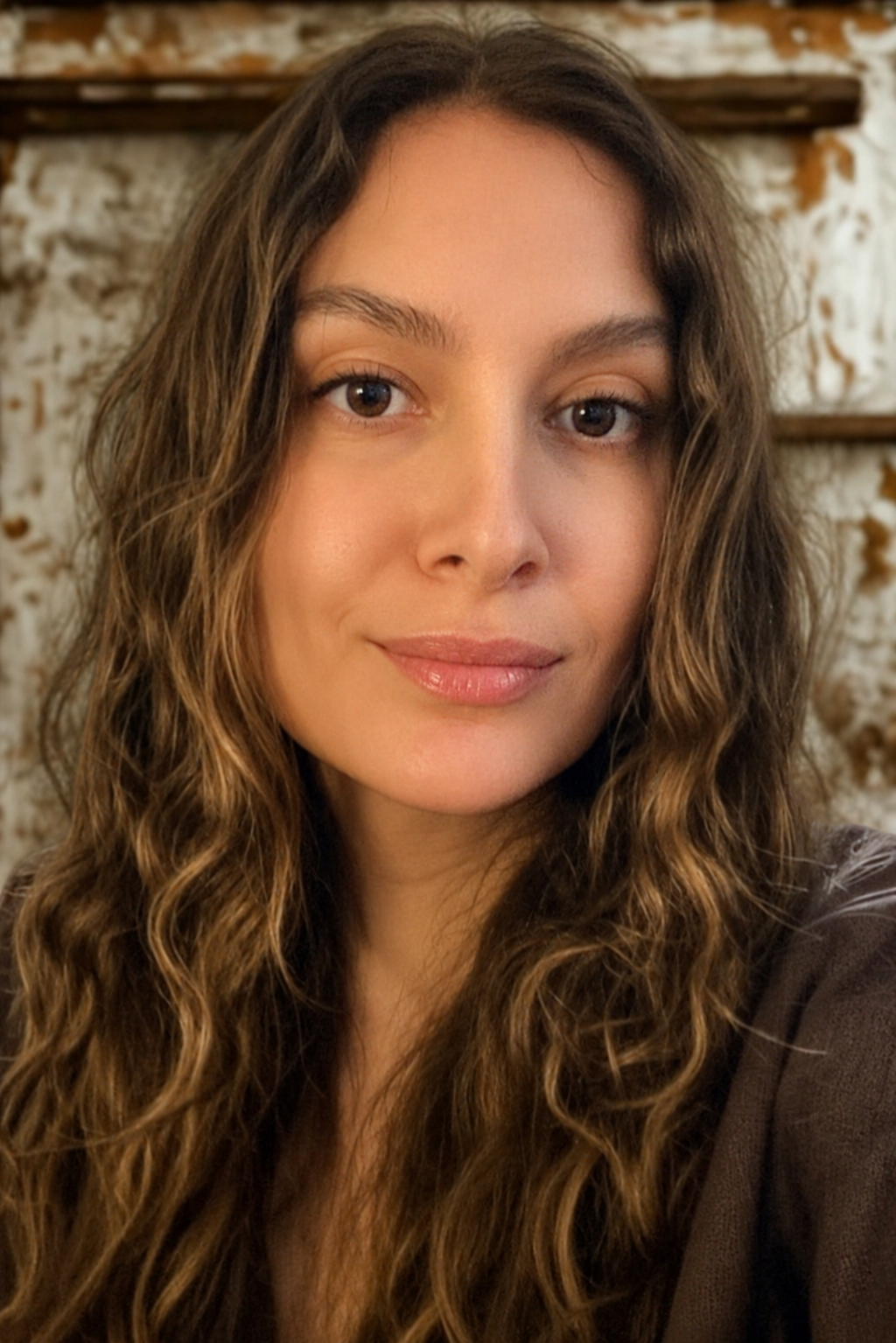
Hello, I’m Karen Robins. Professional Art Therapist and Registered Psychotherapist (Qualifying) Providing Virtual Art Therapy in Kitchener, Ontario
I am a Professional Art Therapist and Registered Psychotherapist (Qualifying) offering virtual art therapy to adults and children in Kitchener and the surrounding region. Creativity, trauma-informed care, and nervous system awareness are woven into every session I hold. I believe that creativity is deeply healing and that the change people are searching for happens through felt, embodied experience within the safety of a collaborative and attuned therapeutic relationship. My approach is rooted in contemporary research in neuroscience, attachment, and trauma, and in the understanding that the brain and body carry a genuine and innate capacity for healing. With support, art therapy can help you connect to creativity as something practical, empowering, and life-enhancing that belongs to you.