Art Therapy Brampton ON | Creative, Trauma-Informed Support
I offer virtual art therapy in Brampton for women, children, and teens who are looking for an alternative or complement to talk-based therapy. Together, we use the creative process to work through a range of experiences, including anxiety, depression, trauma, relational challenges, neurodivergence, life transitions, stress, chronic illness and pain, grief, and loss.
Brampton moves quickly. Between long commutes, multigenerational households, cultural responsibilities, and packed schedules, it can be difficult to find space to slow down or feel settled. Through virtual sessions you can access therapy from your own space, without adding another commute to your day, and invest in something that fits your life and supports real change.
You're welcome to book a free consultation to explore if we are a good fit.
Services:
Art Therapy
Some experiences resist being talked through. Art therapy works with those experiences differently — opening a channel through the creative process that reaches what language, on its own, often cannot.
One dimension of the work is about meaning: what comes into awareness through making, what the creative process brings to the surface that was not yet fully conscious, and how that can be integrated rather than remaining out of reach. Another dimension is more immediate — how working with different materials shifts emotion and physical sensation in the body as it is happening.
In practice, this might mean finding a way to hold something overwhelming at enough distance to work with it. It might mean discovering in texture, colour, or movement a form of expression or settling that words have not managed. Or it might simply mean using the creative process to explore — who you are, what you need, what feels like it is ready to change.
Art Therapy for Chronic Illness and Pain Management
Your may have a different relationship with your body now— one built around limits, fluctuations, and a kind of ongoing negotiation that most people around you may not see. Energy has to be rationed. Pain shows up uninvited. Capacity changes without giving you much notice. Traditional approaches to therapy often require a level of cognitive engagement that chronic illness has made inaccessible — and rather than asking you to find it anyway, this is where we start.
In art therapy for chronic illness, creativity works as a low-demand source of support. Materials offer a way to navigate emotion, hold loss, and process the identity shifts that illness brings — without requiring you to articulate everything. The focus is on what actually helps you feel steadier today. What creates inner spaciousness. What allows grief to exist without overwhelming you. The act of art making itself — its absorption, its sensory quality, its quiet focus — can ease how the body feels both during and after. Research has consistently pointed to reductions in pain perception, fatigue, and physical stress.
Art Therapy for Children
Sometimes children do not have words yet for what they are feeling. What comes out instead is a big reaction, a withdrawal, a sensitivity, or a shift in behaviour that can be hard to understand from the outside. This is not unusual. Children process stress through the body before they develop the language to describe it, and when that language is not available, experience needs somewhere else to go.
In art therapy for children and adolescents, creativity becomes that place. Through art and play-based sessions, children can develop the capacity to regulate emotion, express what feels difficult, and build genuine resilience. The focus is on what the creative process does as much as on what it produces, how making something supports the nervous system, helps a child find their footing again, and gives them a natural and repeatable way of being with whatever they are feeling. Creating also gives children a way of discovering themselves, their preferences, their emotional world, their sense of agency. The pride that comes from seeing their imagination and effor take form contributes to self-esteem and confidence in real and lasting ways.
Complex PTSD
Some reactions feel impossible to explain. You find yourself braced for something that is not there. Anger arrives before you have had a chance to think. You go flat when you expected to feel something, or give up what you need before anyone has even asked you to. From the outside these responses can seem disproportionate. From the inside they can feel completely out of your control. This is part of what it is like to live with Complex PTSD.
The work we do together begins with establishing a foundation of trust and safety. Using the creative process, we approach what has been painful without requiring it to be fully articulated or explained. Art making can be a more comfortable way of processing painful experiences. We focus on what helps you feel more grounded in the present, and healing at a pace that supports lasting change.
Chronic Illness and Disability Therapy
The experience of chronic illness or disability extends far beyond the physical. It shapes how a person relates to themselves, to others, and to their own sense of possibility. Some people are carrying grief, the loss of a body that once felt familiar, of a role or identity that illness has altered, of a future they had expected to have. Others have always lived in a body that required more navigation, in spaces and systems not built with them in mind, and the emotional cost of that experience is real and often goes unacknowledged.
Therapy for chronic illness and disability can work across a range of creative modalities, offering expressive tools that fit individual preferences, comfort levels, and accessibility needs.
Support for Neurodivergent Women
Adapting to environments that were not designed for how you process life takes a toll that accumulates quietly over time. You may rehearse what you are going to say before you say it. You may leave situations that other people find ordinary feeling depleted. You may have been told you are too much in one way , or not enough in another, when what is actually happening is that your nervous system is working harder and taking in more than most people realise. If traditional therapy has felt overly verbal, abstract, or invalidating, that experience makes sense.
Neurodivergent-affirming therapy works with how your nervous system actually functions rather than asking you to perform differently. Pacing, sensory load, structure, and clarity receive genuine clinical attention. The creative process offers a concrete and tangible way of working when language feels slippery or when verbal processing becomes its own kind of demand. Rather than asking you to fit the format, the format fits you.
Anxiety & Depression
From the outside, anxiety and depression can look very different from each other. Inside, they often coexist. You might wake up and your mind is ahead of your body before the day has properly started. You might be getting through it, showing up, meeting what is required, but internally something feels frayed. Or maybe everything feels flat. Motivation disappears. You feel heavy, numb, or like you are watching yourself from a distance without being able to close the gap.
In anxiety and depression therapy, we get curious about what is underneath the urgency or the collapse, not to manufacture positivity or force clarity, but to help your nervous system find its way back to balance. The creative process gives us tools that work directly with the senses, , restoring a sense of safety and connection that words alone do not always reach.
Therapy for Narcissistic Abuse
There is a particular kind of disorientation that follows certain relationships. You might find yourself replaying conversations, combing through them for evidence of where you went wrong. You might wonder if you were too sensitive. Too demanding. Too reactive. Your confidence in what you felt and perceived may have been gradually replaced by a habit of second-guessing that now operates almost automatically.
What lingers is layered. Not only what happened, but the confusion that made it so hard to name. The self-doubt that took root. The hypervigilance that followed you forward into situations that no longer warrant it.
Therapy for narcissistic abuse begins with your experience being fully witnessed. Through the creative process, experiences that felt destabilising can be externalised and transformed. The work of separating your voice from the one that consistently undermined it begins gradually and without pressure. In a theapeutic relationship that feels safe, you can begin to rebuilt trust in others and yourself.
Creative therapy
Sometimes what brings a person to therapy is not a breaking point but a kind of dimming. A sense that something inside has contracted. That parts of you that used to feel present and alive have receded while you kept pace with the demands of everyday life. You are coping. You are functional. But something feels off in a way that is difficult to articulate, and you are aware that you are not fully in touch with yourself.
Creative therapy makes space for that. Through play and experimentation with different art materials and processes, we explore what feels meaningful to you, what feels blocked or resistant, and what begins to open up when there is finally room for it. Sessions are held virtually, in your own space. Over time, many people find themselves more genuinely curious about their inner world and reconnected with parts of themselves that had gone quiet without their fully noticing.
Therapy for burnout
Burnout is what happens when prolonged stress exceeds the capacity to recover from it. When demands consistently outpace available resources. When the effort required to keep going does not let up and relief is not available. The result is a state of physical, emotional, and cognitive exhaustion that does not resolve simply by resting.
Therapy for burnout approaches this differently. Rather than asking you to explain yourself into clarity or perform effort toward recovery, the work begins with what is actually present: what your system can tolerate, what supports regulation, and how to begin building a working relationship with your own limits. It is low-demand and embodied by design. Sessions are held virtually, from your own space. Over time, many people find not a return to the previous state but the beginning of a more honest, sustainable, and nurturing way of relating to themselves.
I Serve Clients In Brampton And Nearby Areas
I offer virutal art therapy to women, children, and teens across Brampton, Ontario. My practice integrates creative and experiential approaches with evidence informed care to support meaningful, lasing change.
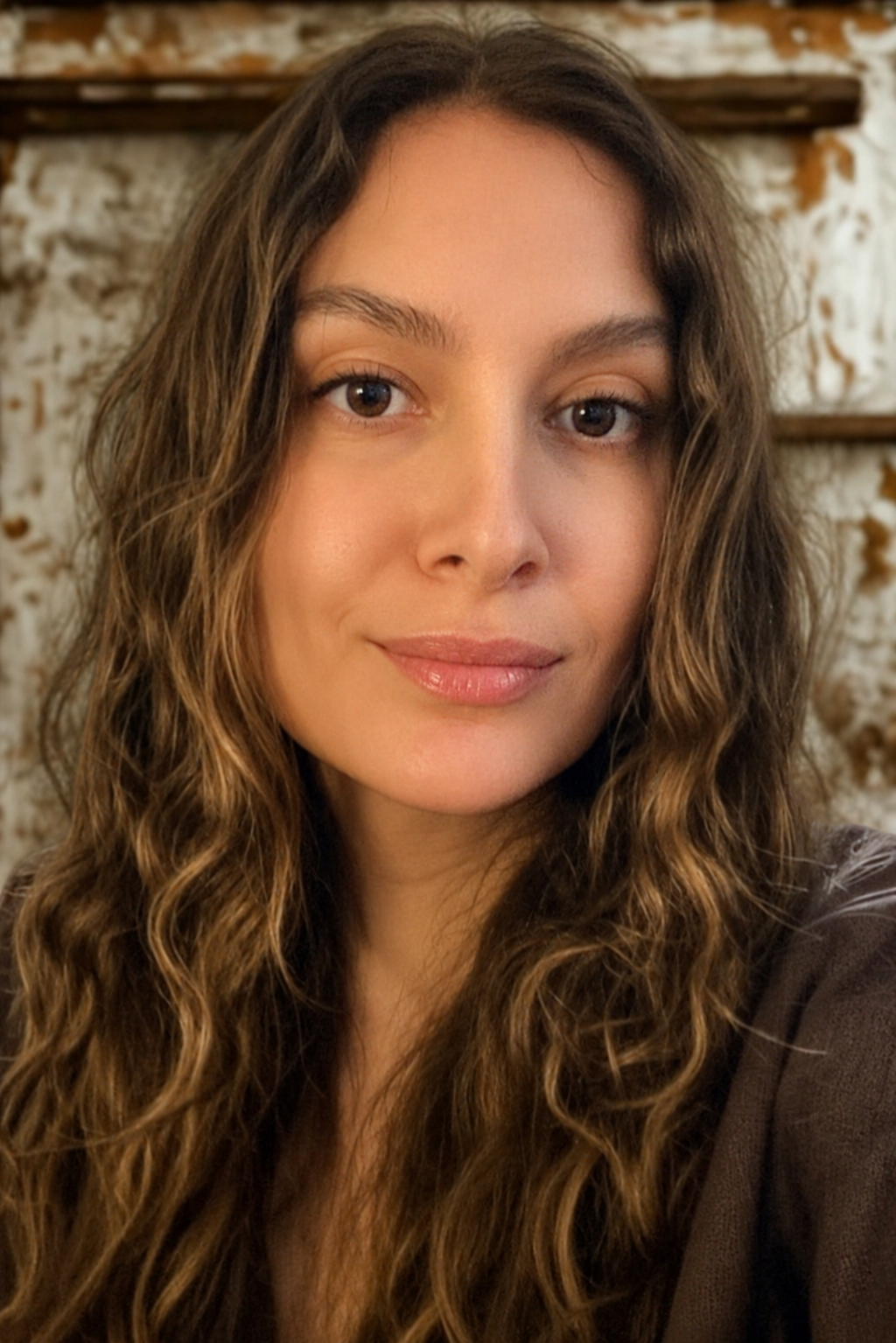
Hello, I’m Karen Robins. Professional Art Therapist and Registered Psychotherapist (Qualifying) Providing Virtual Art Therapy in Brampton, Ontario.
I am a Professional Art Therapist and Registered Psychotherapist (Qualifying) providing virtual art therapy to women and children in Brampton and surrounding communities. I believe that creativity holds real healing potential and that the kind of meaningful change that lasts happens through embodied experience and the safety of a thoughtful, collaborative relationship. My practice is grounded in contemporary research in neuroscience, attachment, and trauma, and in the conviction that the brain and body have an innate capacity for healing when the right conditions are in place. With guided support, art therapy can help you reconnect with your creativity as a practical, empowering, and life-enhancing resource.